
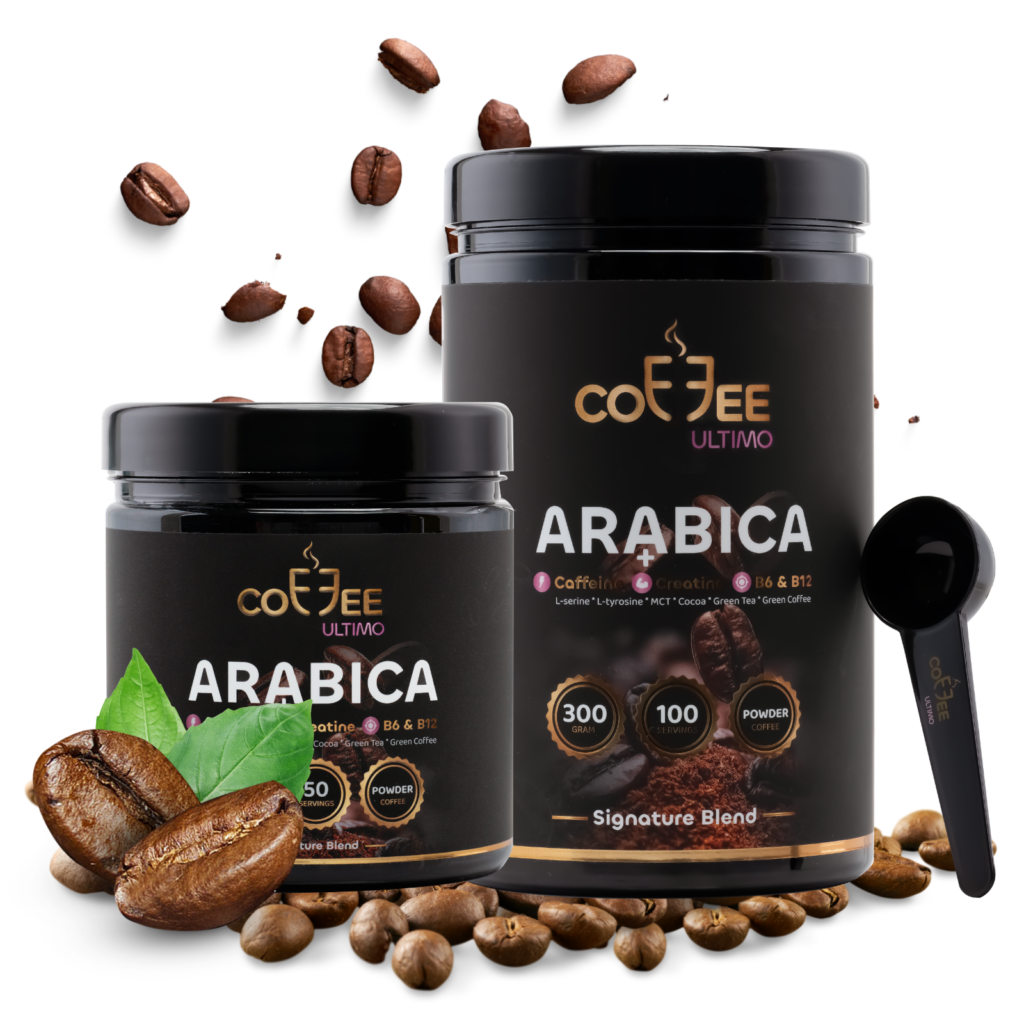
Our Coffee is lab-tested and made after years of research by top-tier scientists and formulators.
Become a Coffee Ultimo affiliate and turn your love for our coffee into a source of income.
Experience the power of collaboration with Coffee Ultimo’s Affiliate Program. Spanning the globe, this initiative extends a generous lifetime 10-20% commission on every order and re-order, cultivating a network of ambassadors who share our passion for excellence.
We provide you with all the tools you need to succeed. To Join our Affiliate Program and earn with Coffee Ultimo, simply Click the button below and fill out the form, it´s 100% free!
We are looking forward to working with you 🙂




None of the statements on this website have been evaluated by the FDA. Furthermore, none of the statements on this website should be construed as dispensing medical advice or making claims regarding the cure of diseases. These products are not intended to diagnose, treat, cure, or prevent any diseases. Consult a licensed healthcare professional before starting any supplement, dietary, or exercise program, especially if you are pregnant or have any pre-existing injuries or medical conditions. These statements have not been evaluated by the Food and Drug Administration.
Coffee Ultimo is more than just a drink. It’s a lifestyle enhancer. From boosting energy levels to supporting brain health, Coffee Ultimo offers a multitude of benefits that uplift your daily experiences. It’s for the doers, dreamers, and anyone aiming higher for those who aspire to do more in life.
Brewing Fresh Coffee…
“MCT,” a healthy type of saturated fatty acid, has been linked to several significant health benefits.
What is MCT oil good for exactly?
As explained below, MCT oil benefits include improving cognitive function and supporting weight loss/healthy weight management.
Coconut oil is one great source of MCTs (medium chain triglycerides) — roughly 62% to 65% of the fatty acids in coconut oil are MCTs. But recently, more concentrated “MCT oil” has also been gaining popularity.
MCTs are believed to be largely missing from people eating “standard Western” diets, most likely because the public has been led to believe that all forms of saturated fats are potentially harmful. However, recent research has shown much evidence about the absolute truth regarding saturated fats.
For example, MCTs support brain and gut health since they can combat harmful bacteria, viruses, fungi, and parasites.
We use MCT oil powder in Coffee Ultimo — Powders, newer products that are used just like liquid oils. They are advertised as a “mess proof,” convenient way to add MCTs to things like smoothies, coffee, baked goods, etc.
What Is MCT Oil?
“MCTs” are medium-chain triglycerides, a form of saturated fatty acid. They are also sometimes called “MCFAs” for medium-chain fatty acids. MCT oil is a pure source of fatty acids.
MCTs get their name because of the length of their chemical structure. For example, all fatty acids are constructed of connected carbon and hydrogen strings.
Fats are categorised by how many carbons they have: Short-chain fats (like butyric acid) have fewer than six carbons, medium-chain fats have between six to 12 carbons, and long-chain fats (like omega-3s) have between 13–21.
Compared to longer-chain fatty acids, MCTs are absorbed more easily since there’s less work for the body to break apart carbon bonds. In addition, MCTs are smaller, so they can permeate our cell membranes more quickly and don’t require that we use special enzymes for our bodies to utilise them.
What does MCT oil do to make it a top source of healthy fats?
Medium-chain fats are digested easily and sent directly to your liver, which has a thermogenic effect and can alter your metabolism positively.
This is why many say that MCTs, including coconut oil, are burned by the body for energy, or “fuel,” instead of being stored as body fat.
MCT is beneficial for overall health — especially for people who have difficulty digesting other fats, including those with conditions tied to malabsorption problems, digestive disorders like leaky gut syndrome, Crohn’s disease, gallbladder infections, and so on.
Health Benefits
What is MCT oil used for?
Below are some of the benefits of MCTs and why people choose to supplement with them.
1. Can Help with Weight Loss/Maintenance
MCTs affect energy expenditure, fat-burning, and weight reduction positively.
As part of a healthy diet, there’s some evidence suggesting (mostly from animal studies) that MCT oil can help increase satiety and even raise the metabolic rate at which the body.
How may MCT oil help you lose weight?
MCTs are sometimes called “the ultimate ketogenic diet fats” because of their heating effect in the body and ability to rapidly be used for energy, especially when someone is not eating a lot of carbohydrates.
2. Helps Protect Heart Health
What are the benefits of MCT oil when it comes to cardiovascular health? A 2010 study published in the Journal of Nutraceuticals and Functional Foods reported that MCTs could help prevent the development of metabolic syndrome — a term given to a cluster of conditions, including metabolic disorders such as abdominal obesity, dyslipidemia, hypertension, and impaired fasting glucose levels.
Another 2018 study concluded that MCTs showed more protective effects on cardiovascular health in rats fed a high-fat diet than LCTs. This was due to MCTs improving serum lipid profiles and reducing total hepatic cholesterol.
MCTs seem to be able to help decrease cardiovascular disease and mortality risk in general due to helping lower the odds of becoming obese. Most likely, they have this positive effect because they are anti-inflammatory, easy to digest, satiating, and easily used for energy, as described above.
3. May Improve Energy Levels, Mood, and Performance
Your brain is primarily made up of fatty acids, so you need a steady supply from your diet to feel your best, think clearly, perform well at work and stay sharp well into older age.
Medium-chain fats are considered one of the most easily digested, utilised, and protective fatty acids. Therefore, they can be beneficial for those following very low-carb diets, including the ketogenic diet, since studies show they can reduce unfavourable effects of keto-induction and improve the time to ketosis.
Some studies have found that MCTs can even help improve memory problems, including those with Alzheimer’s disease. For example, a 2018 study found that using MCTs while following the ketogenic diet helped patients with Alzheimer’s experience improvements in symptoms.
It only makes sense that food that supplies fuel for your brain and helps you absorb vitamins and minerals better will make you feel more clear-headed, energetic, and positive.
Other studies, including a 2018 study published in Plos One, have shown that MCTs can help support exercise performance during moderate- and high-intensity exercise.
4. Supports Digestion and Nutrient Absorption
Both MCT oil and coconut oil are beneficial for balancing bacteria in the gut microbiota, which positively affects digestive symptoms, energy expenditure, and the ability to absorb vitamins and minerals from the foods you eat.
Medium-chain fats can help kill a wide range of pathogenic viruses, strains, and bacteria that cause digestive issues, including candida, constipation, diarrhoea, food poisoning, stomachaches, etc.
You must also consume fatty acids to absorb specific vitamins and nutrients in various foods. These include nutrients like beta-carotene (a precursor of vitamin A found in plants like berries, squash, and leafy greens), vitamin E, calcium, magnesium, phosphorus, and lutein.
5. Has Antibacterial, Antiviral, Antifungal, and Anti-Inflammatory Properties
MCTs have natural antimicrobial properties and may help balance bacteria in the gut.
Here are some bacteria are known to be killed by medium-chain fats:
Another great thing about MCTs is that they can reduce “bad bacteria” without harming or removing “good bacteria.” That’s important, considering we need a good kind for intestinal health and digestive functioning.
Some studies show that medium-chain fats offer better protection from infections than longer-chain fatty acids. For example, a study published in the Journal of Nutritional Biochemistry found that fatty acids and monoglycerides with chain lengths varying from eight to 12 carbons were more strongly antiviral and antibacterial when added to milk and formula than long-chain monoglycerides.
Medium-chain lipids added to milk (lipid-enhanced milk) and formula inactivated several pathogens, including respiratory syncytial virus (RSV), herpes simplex virus type 1 (HSV-1), Haemophilus influenza, and streptococcus.
Other research has shown that MCT oil can help control inflammatory responses by modulating mitochondria activity. It’s believed this is due to the production of pro-inflammatory cytokines being down-regulated and anti-inflammatory cytokines being elevated following the use of MCT oil.
4 Good Reasons to consume Cocoa every day!
Food of the Gods
Thousands of years ago, the Mayans considered chocolate (at the time, a cocoa drink prepared with cocoa beans and hot water) to be the “Food of the Gods.”
Cocoa not only provides a chocolatey taste but can also contribute to a positive mood, lift energy, and support heart and metabolic health, thanks to its high supply of polyphenols, magnesium, and more.
Cocoa beans are naturally high in several minerals, especially manganese, magnesium, phosphorus, potassium, iron and zinc. In addition to minerals, cocoa also contains some caffeine and theobromine.
Is cocoa powder healthy for you?
Yes! — one of the main reasons why is because it’s very high in antioxidants, including several polyphenols — such as flavonoids and has anti-inflammatory effects.
In studies, consumption of cocoa has been associated with mental health perks such as:
Studies that have focused on cocoa’s neuromodulatory and neuroprotective actions have found that flavonoids penetrate and accumulate in brain regions involved in learning and memory, especially the hippocampus.
The neurobiological actions of flavanols are thought to include protection of neuronal function and brain connectivity, improved blood flow, and support for sensory systems. Animal and human studies suggest that cocoa consumption can promote normal aging of the brain and defend against dementia, stroke, cognitive decline, poor memory, and mood disorders.
Are you struggling with fatigue, low energy levels, mood changes, and a lack of focus?
These can be a sign that you’re dealing with a vitamin B12 deficiency. If that’s the case, you’re not alone.
About 40% of people have low levels of vitamin B12, which is an issue that needs attention because this is an essential vitamin for the production of red blood cells and DNA, not to mention all the vitamin B12 benefits it provides.
Vitamin B12 deficiency is one of the leading nutrient deficiencies in the world, with a 2004 study showing that it’s a significant health concern in many parts of the world, including the U.S., India, Mexico, Central America, South America, and certain areas in Africa.
B12 plays an essential role in many body functions, so we must get enough vitamin B12 from food or a supplement.
So, what does it do? This essential nutrient affects you:
It is also an essential vitamin for:
Because of its wide-reaching roles within the body, a deficiency in this essential vitamin can lead to a range of symptoms, including:
What Is Vitamin B12?
Vitamin B12 exists in many forms, and it contains the mineral cobalt, which is why compounds with vitamin B12 are collectively called cobalamins. Two forms of B12 active in human metabolism are methylcobalamin and 5-deoxyadenosylcobalamin.
Vitamin B12 benefits the central nervous system in many important ways. For example, it helps maintain the health of nerve cells — including those needed for neurotransmitter signalling — and helps form the protective covering of nerves, called the cell’s myelin sheath.
When B12 levels are low, almost every cognitive function can suffer.
It also helps with digestion and heart health, so that a deficiency can lead to digestive disorders and an increased risk of heart disease. It can come in food sources, hydroxocobalamin vitamin B12 injections, supplements, or as an intramuscular vitamin.
The National Institute of Health’s (NIH) Dietary Office estimates that somewhere between 1.5% to 15% of people in the U.S. are deficient in vitamin B12. Other studies, like one published in the American Journal of Clinical Nutrition in 2000, indicate that this number might be even higher, with up to 39% of the population possibly suffering from a vitamin B12 deficiency.
Vitamin B12 Benefits
Wonder how vitamin B12 functions as a health-promoting vitamin? Vitamin B12 functions as a beneficial substance in the following ways:
1. Helps Maintain Energy Levels
Vitamin B12 benefits your metabolism because it’s needed to convert carbohydrates into usable glucose in the body. Glucose from carbohydrate foods is used as a form of energy, which is why people with deficiencies often experience fatigue.
Research shows that vitamin B12 is needed for neurotransmitter signalling that helps your muscles contract and gives you the energy to go about your day without feeling tired and run down.
People often wonder whether vitamin B12 benefits weight loss. However, because a deficiency can lead to sluggishness, chronic fatigue, and mood and appetite changes, it can be hard to lose or maintain weight with these symptoms.
It’s not that increasing your vitamin B12 levels alone will make you lose weight, but correcting a deficiency can boost your energy levels and regulate your appetite so you can continue your health routine.
2. Helps Prevent Memory Loss and Lowers the Risk of Neurodegenerative Disease
A vitamin B12 deficiency may cause various neurologic and psychiatric disturbances. Because of its role in nerve health and neurotransmitter signalling, studies indicate that vitamin B12 benefits cognitive function and is used to lower the risk of neurodegenerative diseases, including Alzheimer’s and dementia.
A systematic review published in International Psychogeriatrics examined 43 studies investigating the association of vitamin B12 and cognitive impairment or dementia and 17 studies reporting the efficacy of vitamin B12 therapy for these cognitive conditions.
Researchers found that low vitamin B12 levels are associated with Alzheimer’s, vascular dementia, and Parkinson’s disease. On top of this, B12 supplements effectively correct a biochemical deficiency and improve cognition in patients with pre-existing vitamin B12 deficiency.
3. Boosts Mood and Helps the Nervous System to Function Properly
One of the most researched vitamin B12 benefits is its ability to help regulate the nervous system, including reducing mood disorders such as depression and anxiety.
Studies highlight that vitamin B12, along with folate, is needed as a significant determinant of one-carbon metabolism, producing the compound SAM-e (S-adenosyl methionine). SAM-e is crucial for neurological function, stress, and mood regulation.
Vitamin B12 is needed for concentration and cognitive processes, such as learning, so a deficiency can result in difficulty focusing and an increased risk for attention disorders.
4. Plays a Role in Maintaining Heart Health
Vitamin B12 benefits cardiovascular health in several ways, essential because heart disease is currently the No. 1 cause of death worldwide.
Vitamin B12 helps reduce elevated homocysteine levels, which is now considered a significant risk factor for heart disease. Homocysteine is an amino acid, and its levels in the blood are influenced by blood levels of B-complex vitamins, including B12.
Vitamin B12 helps protect against heart disease like a heart attack or stroke by lowering high homocysteine levels in the blood. There is also evidence that B12 can help control high cholesterol and blood pressure levels.
B vitamins can also control atherosclerotic diseases, where someone experiences a dangerous plaque buildup in the arteries.
5. Needed for Healthy Skin and Hair
Vitamin B12 is essential for healthy skin, hair, and nails because it plays a significant part in cell reproduction. In addition, research suggests that vitamin B12 boosts skin health by reducing redness, dryness, inflammation, and acne blemishes — and can be applied to the skin for psoriasis and eczema.
It can also reduce hair breakage and help nails become more robust.
6. Aids in Digestion
Due to its role in helping with digestive enzyme production, B12 is needed to support a healthy metabolism and the breakdown of foods within the stomach.
One of the ways that vitamin B12 benefits digestion? It’s proven to help foster healthy bacteria within the gut environment.
The elimination of harmful bacteria in the digestive tract and the presence of beneficial bacteria prevent digestive disorders like inflammatory bowel disease or candida.
7. Needed for a Healthy Pregnancy
Vitamin B12 is needed to create nucleic acid or DNA — the primary genetic material used to create the entire body. Therefore, the nutrient is an essential nutrient for growth and development and a vital component of a healthy pregnancy.
Vitamin B12 also interacts with folate in the body, which may help lower the risk of congenital disabilities, such as neural tube defects. However, when a pregnant woman’s B12 supply is low, the folate needed for DNA synthesis remains trapped, and cell replication is impaired.
Studies report a two- to four-fold increased risk of neural tube defects with low vitamin B12 status.
8. May Help Prevent Cancer
Vitamin B12 supplementation is now being studied to help lower the risk of certain cancers, especially when taken with folate.
Some preliminary research shows that vitamin B12 benefits the immune system enough to potentially help prevent cancer, including cervical, prostate, and colon cancers. A study published in the International Journal of Cancer found that low B12 levels may increase the risk of gastric cancer.
In 1999, they found that B12 status may influence breast carcinogenesis, making it a possible risk factor for breast cancer prevention.
9. Helps Produce Red Blood Cells and Prevent Anemia
Vitamin B12 is needed to help produce a healthy level of red blood cells. It helps prevent a type of Anemia called megaloblastic Anemia, also known as vitamin B12 deficiency anaemia, which results in symptoms like chronic fatigue and weakness.
Research published by the Mayo Clinic indicates that many individuals with B12 deficiency may present with classic megaloblastic Anemia. This blood disorder occurs when the bone marrow produces large, abnormal red blood cells or megaloblasts.
An autoimmune disorder called pernicious Anemia is a type of megaloblastic Anemia that occurs when the body cannot absorb vitamin B12 properly. Reports describe treatment for pernicious Anemia involving therapeutic doses of B12, either through intramuscular injections or orally.
B12 Deficiency
Vitamin B12 deficiency can be hard to detect, especially considering how common the symptoms of a vitamin B12 deficiency can be, such as feeling tired or unfocused.
Symptoms may include:
Who is most at risk for having a deficiency?
Supplements and Dosage
Vitamin B12 can be supplemented in tablet form, a drink, drops that you place under the tongue (called sublingual B12), oral spray form, gel formulations, or even injections.
For adults looking to boost their B vitamin levels with something other than whole foods, take B12 as part of their daily diet.
Compared to other vitamins, we don’t need a very large amount of vitamin B12, but we need to replenish our supplies every day. B vitamins are water-soluble and flushed out of the body somewhat quickly, so to maintain levels of the recommended amount within the bloodstream and prevent a vitamin B12 deficiency, we need to eat food sources of B vitamins often or supplement with Coffee Ultimo.
Conclusion
From producing red blood cells to converting food into fuel to boosting mood and immunity, the potential vitamin B6 benefits and the crucial ways this water-soluble vitamin affects health are unparalleled. It works with a range of other vitamins and minerals in the body to optimise nearly every aspect of health and supports the function of the liver, blood cells, skin, eyes, nervous system, and beyond to keep you feeling your best. Numerous studies confirm that vitamin B6 is vital to the body’s process.
Need a few more reasons why this critical vitamin is essential?
Keep reading for a complete list of vitamin B6 benefits, plus how to get enough of this vital vitamin in the correct dosage in your diet daily from Coffee Ultimo.
What Is Vitamin B6?
Vitamin B6, also known as pyridoxine, is one of the vitamins in the vitamin B complex family. All B vitamins, including vitamin B6, play an essential role in various physical and psychological functions. However, they are most well-known for helping to maintain a healthy metabolism, supporting nerve and liver function, and promoting the health of the skin and eyes.
So what does vitamin B6 do specifically, and why is it important?
Vitamin B6 has several derivatives, including pyridoxal, pyridoxal 5-phosphate (p5p), and pyridoxamine. These are all important compounds involved in numerous biological functions. Vitamin B6 is used by the body every day and plays a significant role in everything from movement to memory to energy expenditure and blood flow.
Vitamin B6 also helps the body maintain a healthy nervous system, produces haemoglobin that carries oxygen in red blood cells throughout the body, aids in providing energy from the food that we eat, works to balance blood sugar levels, acts as a natural painkiller, boosts mood and also enhances immunity by increasing the synthesis of antibodies used to protect the body. (1) However, the potential vitamin B6 benefits don’t stop there. Studies show that vitamin B6 benefits can also maintain healthy blood vessels, reduce symptoms of rheumatoid arthritis, prevent kidney stones, and help maximise your health.
Top 11 Vitamin B6 Benefits
1. Maintains Healthy Blood Vessels
Vitamin B6 is needed to regulate levels of a compound called homocysteine within the blood. Homocysteine is an amino acid acquired from eating protein sources, especially meat. High levels of homocysteine in the blood have been linked to inflammation and the development of heart disease and blood vessel issues, which may contribute to a heart attack.
Without enough vitamin B6, homocysteine builds up in the body and damages blood vessel linings. This can set the stage for dangerous plaque buildup, leading to an increased risk of heart attack or stroke.
Studies show that total homocysteine concentrations significantly reduce when patients take vitamin B6 and folate. Plus, the homocysteine-lowering effects of vitamin B6 can also help heal the damage done to blood vessels to enhance heart health.
2. Supports Brain Function
Vitamin B6 is often considered a top brain vitamin because it helps promote the proper function and development of the brain and nervous system. Studies have shown that a vitamin B6 deficiency could influence memory and contribute to cognitive impairment, Alzheimer’s, and dementia with advanced age.
One way vitamin B6 impacts brain function is by controlling homocysteine levels, which are not only a risk factor in coronary heart disease but can also cause damage to neurons of the central nervous system.
Vitamin B6 also plays a vital role in producing hormones like serotonin and norepinephrine, which help control mood, energy, and concentration. For example, researchers believe certain behaviour disorders in children, including ADHD, are caused by low serotonin levels. So, increasing PLP concentrations in the blood could potentially help reduce symptoms.
3. May Improve Mood
Much like vitamin B6, some prescription antidepressant medications increase serotonin levels. In addition, research has shown that vitamin B6 significantly impacts the brain’s central production of serotonin and GABA neurotransmitters. These are essential compounds that control mood and are needed to prevent depression, pain, fatigue, and anxiety. Although more research is still needed, some studies suggest that vitamin B6 could favour mood and mental health thanks to its positive effects on these critical neurotransmitters.
4. Helps Treat Anemia
Vitamin B6 is needed to create haemoglobin in the blood, which is transported by red blood cells throughout the body to help bring oxygen to cells and to mobilise iron. Anaemia can occur when someone doesn’t make enough red blood cells, resulting in anaemia symptoms like fatigue, weakness, aches, pains, and more.
Studies show that a deficiency in vitamin B6 could cause microcytic anaemia, a condition characterised by red blood cells that are smaller and paler than usual. Getting more B vitamin foods in your diet or through supplementation can help raise plasma PLP levels and may help treat certain types of anaemia caused by deficiency.
5. Protects Eye Health
In many instances, a poor diet and nutrient deficiencies are the underlying causes of certain eye diseases. However, studies have shown that taking vitamin B6 and other vitamins, including folate, can aid in preventing eye disorders and loss of vision. In particular, vitamin B6 is believed to help slow the onset of certain eye diseases, including age-related macular degeneration, which is one of the leading causes of vision loss worldwide.
6. May Reduce Symptoms of Rheumatoid Arthritis
Low levels of vitamin B6 have been associated with increased symptoms of rheumatoid arthritis, including severe pain. Early studies also find that people with rheumatoid arthritis may be more prone to vitamin B6 deficiency because of the chronic inflammation that sets off symptoms. Vitamin B6 benefits rheumatoid arthritis by suppressing inflammation to help sidestep swelling and reduce common symptoms associated with rheumatoid arthritis.
7. Could Help Lower Blood Pressure
Several promising animal studies have found that vitamin B6 could reduce blood pressure to help optimise heart health. For example, one animal model published in Molecular and Cellular Biology showed that supplementation with vitamin B6 helped reduce systolic blood pressure in rats with hypertension. Similarly, another study out of China analysed the diets of 2,241 adults and found that a higher intake of vitamin B6 was associated with a lower risk of high blood pressure.
8. Relieves PMS Symptoms
Consuming plenty of vitamin B6 or taking B complex vitamins can help prevent or treat PMS symptoms. Studies suggest that vitamin B6 helps combat symptoms like breast pain, nausea, cramps, fatigue, and headaches. In addition, the potential vitamin B6 benefits for the skin can even help reduce acne before a woman’s menstrual cycle.
Vitamin B6 helps with PMS because of its positive effects on specific neurotransmitters responsible for pain management in the brain and its ability to increase blood flow and manage hormones. Therefore, it’s recommended for women who experience frequent PMS symptoms to take B vitamins regularly, especially in the ten days before menstruating.
9. Reduces Morning Sickness and Nausea
Studies have found that vitamin B6 benefits pregnancy by relieving the severity of nausea and “morning sickness” that often occur during pregnancy. For example, one study showed that after patients tracked the severity of their nausea over 24 hours before treatment with vitamin B6 and again afterwards, the group who took pyridoxine/vitamin B6 experienced a significant decrease in nausea compared with the placebo group. For this reason, vitamin B6 is one of the active ingredients in Bendectin, a common medication used to treat nausea.
10. Regulates Sleep Cycles
Vitamin B6 helps the body make melatonin, an important hormone that allows us to fall asleep. Melatonin is responsible for regulating the internal clock, helping the body know when it’s time to wake up and also when it’s time to wind down and fall asleep for the night.
11. Prevents Kidney Stones
Some evidence shows that taking vitamin B6 along with other minerals, including magnesium, may be able to prevent or treat kidney stones in specific populations. Vitamin B6 is usually helpful in patients at an increased risk for kidney stones due to other illnesses.
Vitamin B6 Deficiency
Although a deficiency is not very common, studies have linked a vitamin B6 deficiency with an increased risk for various disorders and symptoms.
Over time, some of the vital vitamin B6 deficiency symptoms in adults can include:
Because vitamin B6 is essential for nerve function, a vitamin B6 deficiency is sometimes associated with neuropsychiatric disorders, including seizures, migraines, chronic pain, and mood disorders like depression.
Other research shows that vitamin B6 deficiency is more common among older people, with the risk of Alzheimer’s disease and other forms of dementia increasing with age and decreased vitamin B6 concentrations.
Since they are at a higher risk for having vitamin B6 deficiency symptoms, it’s often recommended that older adults have their vitamin B6 levels tested by their doctors if they begin to lose their appetite, lose weight or suffer from nutrient malabsorption for any reason, as this could indicate a potential B vitamin deficiency.
Others at an increased risk of deficiency include those with impaired kidney function, an autoimmune disease, or alcohol dependence, as many of these issues can impact nutrient absorption.
Supplements and Dosage
Vitamin B6 is a water-soluble vitamin, and extra amounts are excreted through the urine rather than stored in the body. Therefore, it’s imperative to regularly eat foods high in B vitamins or take a supplement (Coffee Ultimo) to meet your daily requirements.
Most adults over 18 need at least 1.3 milligrams of vitamin B6 daily to help meet their needs. However, the required vitamin B6 dosage increases for older adults and pregnant women or breastfeeding. For best results, stick to the recommended daily dose in Coffee Ultimo – 1.4mg to avoid unwanted vitamin B6 side effects.
Vitamin B6 and B12
B vitamins like B6 and B12 are essential for many aspects of health, including the body’s conversion of food into usable energy. They also produce red blood cells, nerve function, and hormone synthesis.
However, there are also significant differences that set these essential vitamins apart, and one of the most important differences is how low levels affect health. While a deficiency in vitamin B6 can cause symptoms like fatigue, irritability, and muscle pains, low vitamin B12 can cause issues like anaemia and cognitive impairment. Conversely, consuming very high doses of vitamin B6 through supplementation is also more likely to result in adverse symptoms like nerve damage. In contrast, high amounts of vitamin B12 can generally be consumed with minimal risk of side effects.
History
Believe it or not, the importance of vitamin B6 on health has only come to light within the last century. It wasn’t discovered until 1934 when biochemist Paul György found a substance that was effective at curing skin disease in rats and named it vitamin B6. A few years later, in 1938, nutritionist Samuel Lepkovsky was the first to isolate vitamin B6 from rice bran.
In recent years, scientists have begun learning more about the many different forms of vitamin B6 and how they influence health. For example, derivatives like pyridoxine hydrochloride (HCl) are converted to the active state, pyridoxal phosphate, or PLP.
Research continues to unearth new ways vitamin B6 can impact health, from supporting nerve function to reducing the risk of hyperhomocysteinemia. In addition, numerous studies confirm that vitamin B6 is vital to the body’s process.
Final Thoughts
Caffeine is a natural energy booster. It makes you feel alert and active, stopping tiredness in its tracks. The science behind it is that caffeine intervenes with adenosine, a compound that signals sleepiness. By blocking adenosine’s effects, caffeine keeps you wide awake and attentive.
But caffeine doesn’t stop at keeping you awake. It’s like a hidden treasure for your brain, making you think better and perform at your best. It’s also known for helping burn fat and supporting a longer, healthier life. And when you use it with other good things, its effects get even better, making it a valuable tool for improving your whole self. So, with caffeine, it’s not just about feeling awake – it’s about unlocking a whole world of wellness.
Caffeine’s effects spread far and wide.
It supports vital organs like the liver and heart, and its benefits might even help you live longer. It’s got antioxidants, too, which add an extra layer of goodness to your health.
It’s also helpful in:
Increasing Energy Levels
Caffeine is like an energy superhero, battling fatigue and giving you a real energy boost. It does this by stopping something called adenosine,
which makes you feel sleepy. At the same time, caffeine brings in more dopamine, which helps keep your energy up and tiredness down.
Energising Workouts
Caffeine isn’t just for waking up – it’s a favourite in pre-workout supplements. Not only does it amp up your energy, but it also supercharges your workout. Studies show that having caffeine before exercise boosts your stamina and makes the workout feel easier, no matter how fit you are.
Burning Fat
Caffeine isn’t just about energy; it’s also a fat-burning ally. It speeds up your metabolism, so you burn more calories even when resting. Plus, it plays a role in where your body stores fat and helps your gut stay healthy. And because it keeps you peppy, you’re more likely to stick to your exercise plan.
You’ve probably heard a lot about the health benefits of drinking tea, especially the benefits of green tea, considered by many to be the ultimate “anti-aging beverage.” In Okinawa, Japan — one of the world’s “Blue Zones” associated with longevity —drinking green tea daily is considered “essential.”
What is green tea good for?
According to dozens of studies, regularly drinking this tea may reduce your risk of developing heart disease or Alzheimer’s, help you maintain better bone mineral density, ward off eye diseases that affect vision in older age, prevent strokes, and even extend your life.
What Is Green Tea?
What are different green teas made of exactly, and are they natural? Green, black, and oolong teas come from the Camellia sinensis plant. Green tea consists of leaves that haven’t been fermented, so they contain the highest level of antioxidants. For example, flavonoid antioxidants account for about 30% of the dry weight of green tea leaves.
Some of the antioxidants and healing compounds in green tea include polyphenols, catechins, and various other flavonoids — the same anti-aging compounds found in things like red wine, blueberries, and dark chocolate. Despite containing small amounts of caffeine, green tea consumption has been associated with more health benefits than many of the healthiest foods available to us. Studies have found that the benefits of green tea are due to the fact this tea contains more healing compounds than many other herbs, spices, fruits, and vegetables, truly making it a powerful “superfood.”
7 Benefits of Green Tea
What does green tea do once you drink it that promotes better health and longevity? The Mayo Clinic summarised some of the findings about green tea in 2008. A combination of epidemiological and population studies seem to suggest that the benefits of green tea may include:
Among many other benefits of green tea, below is more about some of the major perks associated with drinking this tea:
1. Helps Protect Heart Health
Much evidence from randomised controlled trials suggests that consuming flavan-3-ols and anthocyanidin antioxidants, the types found in green tea is beneficial for metabolic and cardiovascular health. When it comes to preventing many risk factors for heart disease, such as high blood pressure or cholesterol levels, some evidence shows that green tea contains 10 beta-blocking compounds, seven calcium channel blockers, and 16 diuretic compounds. It also has more ACE-inhibiting properties than many other plant foods that are commonly consumed, which helps increase the amount of blood your heart pumps and lowers blood pressure.
According to a study published in the journal Chinese Medicine, many of the beneficial biological effects of flavonoids on heart health are due to the cell-signalling impacts that lower inflammation. Not only do flavonoids have anti-inflammatory capabilities, but they’re also anti-thrombogenic, antidiabetic, anticancer, and neuroprotective compounds.
2. May Help Prevent Alzheimer’s or Memory Loss
In 2004, scientists at the University of Newcastle studied the effects of black and green tea on Alzheimer’s disease. In laboratory studies, both teas prevented the breakdown of acetylcholine, the neurotransmitter strongly linked with memory. In addition, the teas also inhibited enzymes known as BuChE and beta-secretase. These enzymes are found in protein deposits found in the brain of Alzheimer’s patients.
Japanese researchers published a study on green tea and its effect on the beta-amyloid protein plaques found in Alzheimer’s disease in the April 2008 issue of the Journal of Nutritional Biochemistry. The protein plaques associated with Alzheimer’s disease increase brain cell damage and death due to oxidative stress. The researchers found that green tea catechins reduced the level of damaging free radicals in the brains of rats. In addition, the green tea rodents showed much less plaque-induced deficits in memory compared to rodents who didn’t receive green tea and those infused with beta-amyloid proteins.
Scientists have also discovered that flavonoid antioxidants may protect the brain from oxidative stress. The scientists extrapolated that a human would need to drink about three litres of liquid infused with 0.5% of the catechins to get similar effects. However, because humans ingest other antioxidants from vitamins and plant polyphenols, a much lower quantity is likely effective in protecting memory.
3. Helps Protect Brain Cells From Free Radical Damage
In 2007, Salk Institute researchers found that the flavonoid epicatechin in blueberries, cocoa, grapes, and tea improved memory ability in mice. The researchers found that epicatechin seemed to promote blood vessel growth in the brain.
In 2009, King’s College researchers found that epicatechin may protect brain cells through mechanisms unrelated to its antioxidant ability, as epicatechin is one of the few flavonoids that can cross the blood-brain barrier. The King’s College researchers reported that, somehow, epicatechin protects brain cells from the adverse effects of beta-amyloid plaques. However, the exact mechanism of how this works has yet to be entirely discovered.
4. May Help Prevent Diabetes or Insulin Resistance
Certain studies indicate that the intake of flavan-3-ols and anthocyanidins found in green tea may improve glycemic control and help normalise blood sugar levels. Furthermore, due to its anti-inflammatory properties, green tea is believed to be beneficial for at-risk patients diagnosed with type 2 diabetes. In addition, green tea’s catechins, especially EGCG, appear to have anti-obesity and antidiabetic effects.
5. Promotes Bone Health
University of Hong Kong researchers published a study in the August 2009 Journal of Agricultural and Food Chemistry concerning green tea and bone health. When the bone cells of rats were exposed to green tea catechins, EGC, in particular, stimulated an enzyme that promotes bone growth by 79%. The catechins also increased bone mineralisation and weakened the activity of cells that reabsorb bone rather than form it.
6. Prevents Eye Disease and Protects Vision
One study published in the February 2010 issue of the Journal of Agricultural and Food Chemistry investigated the effects of catechins on eye diseases and found that consuming more catechins may help protect the eyes from oxidative damage and vision loss. Scientists involved in the study found evidence that catechins can pass from rodents’ digestive tract to their eyes’ tissues and reduce oxidative stress for up to 20 hours after ingestion.
7. May Reduce Your Appetite
Does green tea burn fat, and will drinking green tea help you lose more weight? According to some research findings, consuming antioxidants in green tea, especially catechins and the compound called EGCG, may promote metabolic health and modestly prevent weight gain.
For example, eleven studies and articles were included in one 2009 meta-analysis published in the International Journal of Obesity; researchers found that “catechins or an epigallocatechin gallate (EGCG)-caffeine mixture have a small positive effect on weight loss and weight maintenance.”
Overall, EGCG’s effects remain controversial; some studies have found only modest effects on metabolism, while others have found that consuming more EGCG alone without other lifestyle changes does not significantly improve body weight.
Green tea also contains many other protective compounds, including:
Some of the benefits of green tea associated with consuming these compounds include reduced allergies, eye health and better vision, skin health, improved immune function, enhanced endurance, and protection from free radical damage and cancer.
L-serine metabolism is critical for survival. We depend on this crucial amino acid for proper brain development, and it plays an essential role in synthesising proteins, neurotransmitters, nucleotides, and lipids.
What Is L-Serine?
(Role in Body)
Serine is an amino acid that plays a role in many biosynthetic pathways. For example, it’s the primary source of one-carbon units for methylation reactions that occur with the generation of S-adenosylmethionine.
It is also a precursor to several essential amino acids, including cysteine and glycine.
It is recognised as a non-essential amino acid because it’s produced in the body. Still, we need to ingest foods high in this amino acid to maintain the necessary levels for optimal health. It has become known as a “conditional non-essential amino acid” because, under certain circumstances, humans cannot synthesise it in quantities high enough to meet necessary cellular demands.
Amino acids form our living cells and the antibodies that make up our immune systems. In addition, they make up proteins that are crucial for our existence and are needed to carry oxygen throughout our bodies.
Serine plays a vital role in brain function and the health of the central nervous system. One of the many benefits of Serine is its function in forming phospholipids that are needed for
creating every single cell in the human body.
It plays a critical role in protein synthesis and intracellular metabolism, and it’s also involved in the functioning of RNA, DNA, immune function, and muscle formation.
Serine is needed to produce tryptophan, an essential amino acid to make serotonin. It is also converted into D-serine in the cells of the nervous system.
D-serine is known to boost cognitive health. It’s a “dextro isomer of L-serine,” and the two molecules mirror image each other.
D-serine activates NMDA receptors in the brain that work as neurotransmitters. Research shows that it may work as a therapeutic agent for schizophrenia, depression, and cognitive dysfunction.
What does Serine do?
Research exploring the unique longevity of Ogimi villagers in Japan suggests that the amino acid helps you to live longer.
The Ogimi people, whose average life expectancy exceeds 85 years for women, consume extraordinarily high amounts of L-serine, with seaweeds and tofu staples in their diets.
The high content of this amino acid in the diet may offer neuroprotection and contribute to their neurological health in this community.
In addition to its potential cognitive effects, Serine’s benefits include boosting immune function, promoting regular sleep, and fighting chronic fatigue syndrome. Although we make it in our bodies, which is why it’s considered a non-essential amino acid like alanine and others, most of us can benefit from eating foods high in this amino acid or supplementing to ensure we get enough of this essential molecule.
7 Top Benefits of L-serine
1. Improves Brain Function
Research shows that L-serine is neuroprotective and acts through various biochemical and molecular mechanisms to support brain function. For example, it plays a vital role in synthesising phosphatidylserine. In addition, the component of neurons in the brain is known to have a critical role as a neuromodulator.
When looking at Serine vs. phosphatidylserine, L-serine is essential for synthesising phosphatidylserine, a type of lipid. Phosphatidylserine is taken to improve memory and boost brain powder.
Therefore, taking L-serine for dementia, Parkinson’s, and Alzheimer’s is widespread.
An article published in Pharmacy Times indicates that people with an environmental or possibly genetic risk of neurodegenerative disease may benefit from using L-serine supplementation.
2. Fights Fibromyalgia
Research suggests that some people struggling with fibromyalgia may have a serine deficiency, which alters the body’s ability to make tryptophan and serotonin. For example, one study published in Biochemical and Molecular Medicine found that when patients with chronic fatigue syndrome had their urine tested and compared to controls, patients had significantly reduced serine levels.
3. Helps Relieve Stress
Serine is needed to produce the amino acid tryptophan, a natural stress reliever and relaxant. Increased tryptophan helps ease anxiety and symptoms of depression, as it is used to make serotonin, a calming chemical that occurs naturally within the body.
Research published in Nutritional Neuroscience found that tryptophan can improve therapeutics in stress-induced hormonal and behavioural disorders. In addition, there is a proven role of serum serotonin levels impacting mental health status.
Because Serine is crucial for the production of tryptophan and serotonin, maintaining normal levels may help relieve symptoms of stress.
4. Improves Sleep
Studies conducted in Japan found that taking L-serine before bed may improve human sleep. When participants who were dissatisfied with their sleep were given the amino acid or a placebo 30 minutes before bedtime, scores for “sleep initiation” and “sleep maintenance” improved significantly in the treatment group.
In another study, participants taking this amino acid for sleep expressed significant improvements when asked, “How well did you sleep last night?” and “How satisfied were you with last night’s sleep?”
5. Fights against Cancer
Research published in the Journal of Cell Biology shows that active serine synthesis is likely required to “facilitate amino acid transport, nucleotide synthesis, folate metabolism, and homeostasis in a manner that impacts cancer.” Studies show that altered serine metabolism plays a role in cancer.
L-serine metabolism is needed to maintain homeostasis because it fuels processes that our cells need to oxidise nutrients and produce energy in the form of ATP. Researchers suggest that an increase in the availability of this amino acid could be valuable for increasing cancer cells for multiple reasons, including the fact that the amino acid is critical for the biosynthesis of many macromolecules that play a role in fighting cancer growth.
6. May Fight Type 1 Diabetes
An animal study published in Plus One found that continuous supplementation of this amino acid reduced type 1 diabetes incidence and insulitis scores in mice. L-serine supplements also lowered blood glucose levels and caused a slight reduction in body weight.
This data suggests that serine supplements may affect autoimmune diabetes development.
7. Boosts Immune Function
Amino acids are needed for the regulation of the body’s immune system. For example, Serine plays a role in the immune system’s production of immunoglobulins and antibodies.
Supplement and Dosage Recommendations
L-serine is available as a dietary supplement in capsule and powder forms. You can also find L-serine gummies and brain supplements made with the molecule on the market.
Creatine (sometimes referred to as creatine monohydrate) has been called a “phenomenon” in the bodybuilding community and is among the best-selling supplements to gain muscle. To date, well over 500 research studies have evaluated the effects of its supplementation on muscle growth, metabolism, exercise capacity, and many other health markers.
According to researchers at the Exercise and Sports Nutrition Laboratory at Baylor University, “About 70% of these studies report statistically significant results while remaining studies generally report non-significant gains in performance.”
According to the medical literature, what are the benefits of taking creatine (if any)? People who take creatine supplements usually do so because it has been shown in studies to help with physical performance, improving body composition, energy output, and even cognitive enhancement.
While it might be effective for building muscle and increasing strength, the other hand, there can also be some adverse effects that have been associated with this supplement. Is creatine safe? Depending on whom you ask, it may be “remarkably safe for most people” or capable of causing reactions like water retention and indigestion.
What Is Creatine? How Does It Work?
Let’s start with the basics: What is creatine, and what does it do to your body?
Creatine monohydrate is a small peptide of amino acids (the “building blocks of protein”). Creatine is formed in the liver, pancreas, and kidneys, mainly with the help of the amino acids glycine, arginine, and methionine.
In supplement form, it was first introduced to the public in the 1990s after Olympic athletes were reported to be using it to improve performance. Today, this supplement is one of the “most widely used nutritional supplements or ergogenic aids” available on the market.
What does creatine do to your body exactly to cause the physical and mental changes described above? Despite what many people think, it is not a steroid and an unnatural/artificial product.
Creatine monohydrate is a naturally present molecule in the human body, especially in the skeletal muscles. About 90% to 95% of creatine is stored in the muscles, with the rest found in the heart, brain, liver, kidneys, testes, and almost every cell.
It is taken in supplement form to help boost the body’s energy production. This compound stores phosphate groups in the form of phosphocreatine — aka creatine phosphate — which supports the release of energy and, therefore, helps build strength and the growth of muscle mass.
This supplement can help boost energy production through adenosine triphosphate (ATP).
ATP is sometimes referred to as the “molecular currency” of the body since it helps store and transport chemical energy within cells. ATP is needed for cellular functions. For example, it is the source of fuel for our muscles — especially when they are working hard, such as during exercise. When we eat foods, we acquire a mix of macronutrients (carbohydrates, fats, and proteins) that are used to produce ATP, and creatine helps this process by donating a phosphate group that helps with ATP creation.
What Are the Benefits?
Most researchers today, including Dr. Paul Greenhaff, whose work has been published in the American Journal of Clinical Nutrition, feel that creatine can be safely consumed. This is true not only for athletes but also for people looking to boost their energy and metabolism.
Most studies have found that only some people react to this supplement similarly. Some may experience more results and health improvements, while others deal with creatine side effects like indigestion and fluid retention. Below, we’ll look at the pros and cons of using it, what to expect if you begin “creatine loading,” and how you can maximise your results while safely utilising this supplement.
Let’s start with the benefits of creatine. Benefits associated with taking/consuming this supplement may include:
Can creatine help you sexually?
For example, does creatine boost testosterone, and is creatine good for sperm? According to research published in the International Journal of Fertility and Women’s Medicine: “The inverse relationship between creatine kinase level and sperm concentration and morphological forms suggests that creatine kinase levels can be a reliable marker for semen quality in subfertile men.”
Risks and Side Effects
Generally speaking, creatine is safe. However, some people might react poorly to higher doses, such as if they have an existing kidney problem or enzyme defect that makes digesting protein difficult.
Coffee Ultimo provides up to 450 mg per day; this is effective, even though it is a lower dosage.
Certain studies suggest that side effects of creatine with a high dosage of 5000 mg per day may include the following:
Certain studies have looked at the supplement’s effect on the kidneys but have not found much evidence that it will damage the kidneys of primarily healthy people without kidney disorders.
If you use oral supplements, you can reduce the potential for experiencing creatine side effects by making sure not to take too much at once. Avoid very high doses and read dosage/serving recommendations directions since each product differs.
The Best Creatine Supplement to Take
Pure creatine monohydrate is the best type since it’s typically the least expensive and is effective. Micronised creatine monohydrate is a good option since this form tends to dissolve in liquid and is potentially easier to digest.
Coffee Ultimo formula includes micronised creatine!
Can you take creatine without working out?
There’s some evidence that creatine may work better to improve muscle growth and strength when taken after exercise rather than before. However, athletes have reported using it effectively at all times of the day, so this may be an individual preference. Creatine can be used by active people but not bodybuilders — however, it has the most muscle growth benefits when combined with exercise.
Can I take creatine before bed? Can creatine affect sleep?
Some people may experience mild restlessness if they use this supplement too close to bedtime, so it might be best to have it earlier in the day. However, if it doesn’t cause any issues when taken before bed, this is a good approach since spacing out servings is recommended.
Also, make sure to drink enough water when taking it—this supplement, while dehydrated, makes you more likely to deal with digestive symptoms and lack of energy.
Can I take it with caffeine?
There’s some concern that creatine and caffeine have somewhat opposite effects regarding water loss/water retention. Caffeine is a stimulant and diuretic that can cause increased urination and water loss, while creatine pulls more water into muscle cells. However, caffeine and creatine combined can help improve performance, and overall research doesn’t suggest that caffeine use should cancel out the benefits of creatine. As long as the two don’t cause indigestion, it is OK to use them simultaneously.
Final Thoughts
Tyrosine is an essential precursor to neurotransmitters and substances like epinephrine, norepinephrine, and dopamine. As a result, tyrosine helps the body produce chemicals that support your thyroid, energy, and mood. This is why some people claim that taking this amino acid can help “speed up your metabolism.”
Not only can you get it from eating foods with protein, like meat, eggs, or fish, but it is also available in supplement form, which some people take when trying to lose weight.
Levels of the amino acids tryptophan and tyrosine fluctuate depending on whether someone eats carbohydrate or protein-rich meals. For most people, it’s a good idea to include both types of these macronutrients in their diets. While eating complex carbs can increase feelings of calmness and even sleepiness, thanks in part to tryptophan boosting serotonin levels, eating protein tends to increase alertness and ability to concentrate due to a rise in tyrosine.
What Is Tyrosine? (What Does It Do?)
Tyrosine, or L-tyrosine, is one of 20 amino acids that help build proteins. However, it’s considered a “non-essential amino acid” because the body makes it from another amino acid called phenylalanine. Therefore, you don’t need to get tyrosine from foods, although obtaining more from your diet can be helpful.
What are the benefits of taking L-tyrosine?
As explained below, L-tyrosine benefits can include fighting fatigue, depression, poor cognitive function, and potential weight gain.
Does tyrosine increase dopamine?
Yes — dopamine and norepinephrine (also called noradrenaline) production are impacted by the amount of tyrosine you eat or obtain from supplements. This is because dopamine and norepinephrine are manufactured from tyrosine with the help of several other nutrients, such as folate, B vitamins, copper, and magnesium.
Health Benefits
1. Protects Against Stress and May Help Manage Symptoms of Depression
What does L-tyrosine do for the brain?
It helps the brain produce certain stimulating and “feel good” neurotransmitters. Your diet influences neurotransmitters, especially the amount and types of amino acids you consume.
Tyrosine influences dopamine levels, which regulate your reward and pleasure centres, and adrenaline, which is responsible for your “fight-or-flight response” when you’re under stress.
Stressful situations increase the release of catecholamines, which can result in the depletion of their levels. According to studies investigating L-tyrosine’s effects on anxiety, the amino acid can help bring levels back up, offering protection against cognitive decline and mood-related changes due to stress (primarily physical stress).
Consuming more of this amino acid may be helpful for people under a lot of stress or who suffer from depression. When levels of dopamine and norepinephrine drop, symptoms like irritability, fatigue, and moodiness increase.
A 2016 article published in the Annals of Neuroscience states:
Depression has been linked to disruption in the cerebral levels of specific neurotransmitters. L-tyrosine is a precursor of more than one of the neurotransmitters affected by depression … many studies have suggested using L-tyrosine as an antidepressant.
There’s some evidence that higher levels of tyrosine can help improve your mood and increase alertness, coping with stress and general cognitive functioning. According to some studies, such as one published in the Journal of Psychiatric Research in 2015, it also may be helpful during physical stressors, including those of interest to the military, such as when soldiers are exposed to cold stress, high-altitude stress, or extended wakefulness.
Some experts believe that tyrosine’s effects are not strong enough to have a natural stress-reducing impact on most people eating a balanced diet. And not every study has found that this amino acid has substantial antidepressant effects.
2. Can Help Increase Energy and Mental Performance
Does tyrosine make you sleepy?
Usually, it tends to do the opposite. While tryptophan is known for increasing drowsiness, tyrosine is thought to boost focus and performance.
How does tyrosine give you energy?
Stress situations may help decrease mental fatigue and help with cognitive functions, including memory. In addition, L-tyrosine has stimulating effects, which is why it can potentially improve learning and alertness while reducing brain fog.
One striking effect of taking this amino acid is improving alertness during sleep deprivation.
One study found that tyrosine helped improve alertness for about three hours among people who were sleep-deprived from working overnight. However, participants in the survey remained awake throughout the day the experiment began and were awake for more than 24 hours by the end of testing. In addition, Those given tyrosine experienced a significant reduction in mental performance decline on the psychomotor tasks lasting about three hours compared to the control group.
3. May Support Weight Loss
Is L-tyrosine good for weight loss?
According to the University of Michigan Medicine, “There are no studies specifically showing that L-tyrosine helps to promote weight loss.”
However, when combined with other natural fat-burning substances, such as green tea and caffeine, there’s some evidence that it may help with fat loss in overweight adults, although only slightly.
A 2007 study found a very modest reduction in weight of about 0.9 kg when overweight adults, along with caffeine, took tyrosine.
Can tyrosine cause weight gain?
It shouldn’t, even if it doesn’t necessarily lead to weight loss or influence your appetite.
However, there is evidence that for people needing to gain weight, such as those recovering from anorexia, it may help improve appetite, cognition, and exercise tolerance.
4. Supports Thyroid Health and Your Metabolism
What does L-tyrosine do for the thyroid?
It’s used to make thyroxine, a type of thyroid hormone. Thyroxine is the primary hormone secreted into the bloodstream by the thyroid gland and helps regulate your metabolism and control levels of T3 and T4 thyroid hormones. It’s essential to produce enough thyroxine because this helps decrease symptoms of an underactive thyroid (hypothyroidism), which can include a sluggish metabolism, tiredness, sensitivity to colds, weight gain, constipation, moodiness, and weakness.
On the other hand, people with thyroid conditions characterised by an overactive thyroid, including hyperthyroidism and Graves’ disease, shouldn’t take tyrosine because this might increase thyroxine levels too much, which can interfere with the role of medications and make symptoms worse.
5. May Help Decrease Symptoms of Withdrawal
Studies have found that “dopamine ups and downs” can leave people more vulnerable to addictions.
The Integrative Psychiatry website states:
Dopamine, epinephrine, and norepinephrine (catecholamines) are responsible for motivation, energy, interest, sexual functioning, pleasure/reward, drive, attention, and concentration. They are associated with positive stress states such as being in love, exercising, listening to music, and having sex. Deficient levels contribute to difficulty initiating or completing tasks, depression, poor concentration, low energy, and lack of motivation. Addictive behaviours such as alcohol, drug use, cigarettes, gambling, and overeating may also occur.
Get the Best effect of Tyrosine!
To convert tyrosine into neurotransmitters, you must consume adequate amounts of certain other nutrients, including vitamin B6. We have included B6 in Coffee Ultimo, and this is one of the reasons.
Supplement and Dosage Info
Tyrosine is available in protein powder, capsule form, some workout supplements, and Coffee Ultimo.
What are some reasons that someone would take a daily tyrosine supplement?
Some of the most common reasons are to manage moodiness and symptoms of depression — and also to increase energy and support weight loss.
When should you take tyrosine?
Because it can be stimulating and potentially reduce sleepiness, it’s best when taken in the morning and during the day, not in the evening close to bedtime (especially in large amounts).
How long does it take tyrosine to work?
Effects of tyrosine supplements may be felt in as little as 30 to 60 minutes, depending on the dose you take and whether you’ve eaten recently. Taking this amino acid on an empty stomach has faster-acting effects.
Here are other common questions about the safety of using tyrosine:
Is tyrosine safe for long-term use?
It’s best to take less than 1,000 milligrams per day if taking it for many weeks or months. For example, coffee Ultimo is a maximum of 450 mg daily when using three servings.
Is L-tyrosine a stimulant?
While it can increase alertness and help reduce sleepiness, it’s not a stimulant drug and tends to have milder effects than substances like caffeine.
Does tyrosine cause anxiety?
It shouldn’t. It may, in fact, have the opposite effect unless it increases hyperthyroidism.
Final Thoughts
You might think of coffee as your “vice,” but believe it or not, studies show that in many instances, coffee consumers have a lower risk of several serious diseases compared to non-consumers — whether we’re talking traditional coffee or green coffee beans.
There’s growing evidence that consuming coffee and other sources of caffeine moderately — including the product called green coffee bean extract — may be beneficial for weight loss and disease prevention.
6 Top Benefits of Green Coffee Bean Extract
The green coffee bean has emerged in recent years as one of the most popular supplements and weight loss products available on the market. Besides helping people shed some excess weight through reducing appetite, among other ways, green coffee has been associated with heart health, protection against neurological diseases, and various other anti-aging effects associated with longevity.
There is reasonable evidence to believe that green coffee can have mild to moderate protective effects against many of the most significant health concerns facing us today, similar to some of the benefits of drinking coffee.
What Are Green Coffee Beans?
Green coffee bean extract is a supplement made from unroasted, “pure” coffee beans that contain high levels of the protective polyphenol called chlorogenic acid.
Some benefits associated with green coffee bean consumption include weight or fat loss, help with normalising blood sugar and insulin, heart health, increased energy, cognitive health, and improved moods.
Coffee is, of course, known to increase alertness and energy due to its caffeine and, therefore, affects the release of certain hormones and neurotransmitters. Is green coffee bean extract considered a “stimulant” then? In most ways, yes. It can enhance direct and sometimes significant actions on parts of the brain and body that control arousal, vigilance, and fatigue.
Many studies have shown that green coffee extract can effectively lower blood pressure, and many antioxidant properties have been identified that can help slow various effects of aging.
Coffee is known to help people feel less tired and increase energy levels because it contains the stimulant caffeine. Caffeine is considered a drug and is the most consumed psychoactive substance there is worldwide.
According to the American Psychological Association, caffeine has significant effects on “psychomotor and cognitive performance, psychological well-being, blood pressure, and diagnostic and therapeutic applications, as well as athletic performance.”
When you consume a drink containing caffeine or obtain it from a stimulating supplement/product like the green coffee bean, the caffeine is absorbed into the bloodstream, which travels into the brain and blocks an inhibitory neurotransmitter called adenosine.
At the same time, neurotransmitters called norepinephrine and dopamine increase, leading to changes in cognition, including increased focus, motivation, and often positive outlook.
As described above, green coffee products contain a decent amount of caffeine, supplying higher levels when you take a larger dose. A large body of research shows that caffeine/coffee consumption can alter many aspects of mental health and brain function, including attention, mood, memory, alertness/vigilance, motivation, test-taking, and reactions.
Coffee is a beloved beverage known for its ability to fine-tune your focus and boost your energy levels.
Many people depend on their daily cup of joe right when they wake up to start their day on the right foot.
In addition to its energising effects, coffee has been linked to a long list of potential health benefits, giving you all the more reason to get
brewing.
Benefits of Coffee Arabica
Arabica coffee is a special type of coffee that’s loved for its smooth and mild flavour.
It comes from the Coffea arabica plant, which is native to the highlands of Ethiopia. Arabica coffee beans are known for their delicate taste and balanced acidity, making them a favourite among coffee connoisseurs. These beans are grown at higher altitudes, where they develop slowly, resulting in their distinct flavour profile. Arabica coffee is often described as having hints of sweetness along with floral and fruity notes. Because of its gentle taste, it’s often enjoyed in black or with minimal additions. Arabica coffee requires specific growing conditions, including cooler temperatures and consistent care. It’s usually more challenging to cultivate compared to other coffee varieties, like robusta. However, the effort pays off in the cup, offering a refined and flavorful experience that many coffee
enthusiasts appreciate.
Coffee Ultimo is Produced with Arabica Instant Coffee!